 Back to Updates
ARTEMIS FINANCE I: FIRST CIVILIAN LUNAR ORBITAL EXPEDITION MANIFEST CONFIRMED
Orbit-SpaceX finalizes the passenger manifest for humanity's first combined tourism and financial verification mission to lunar orbit, scheduled for Q4 2026.
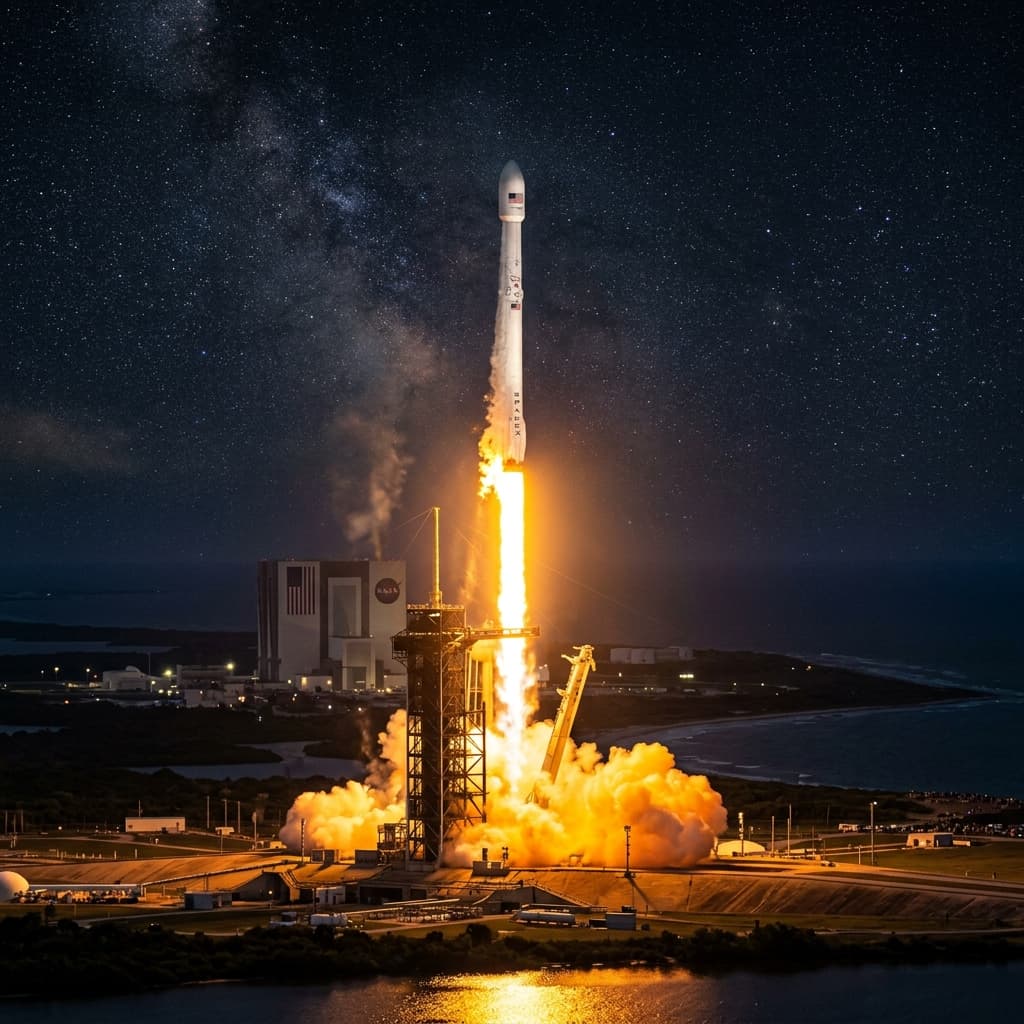
The countdown to one of humanity's most ambitious civilian space missions has officially begun. Orbit-SpaceX announced today the finalized manifest for "Artemis Finance I," the company's inaugural mission combining high-net-worth space tourism with on-chain orbital data verification — a landmark fusion of adventure and financial infrastructure that could redefine how we think about both industries.
The mission, scheduled for Q4 2026, will carry eight carefully selected passengers on a five-day journey around the Moon aboard a modified Starship variant designated "Horizon-Class." Among those confirmed are three institutional investors from Goldman Sachs' newly formed Space Ventures division, two cryptocurrency pioneers who have collectively managed over $40 billion in digital assets, and three civilian explorers selected through Orbit-SpaceX's competitive application process.
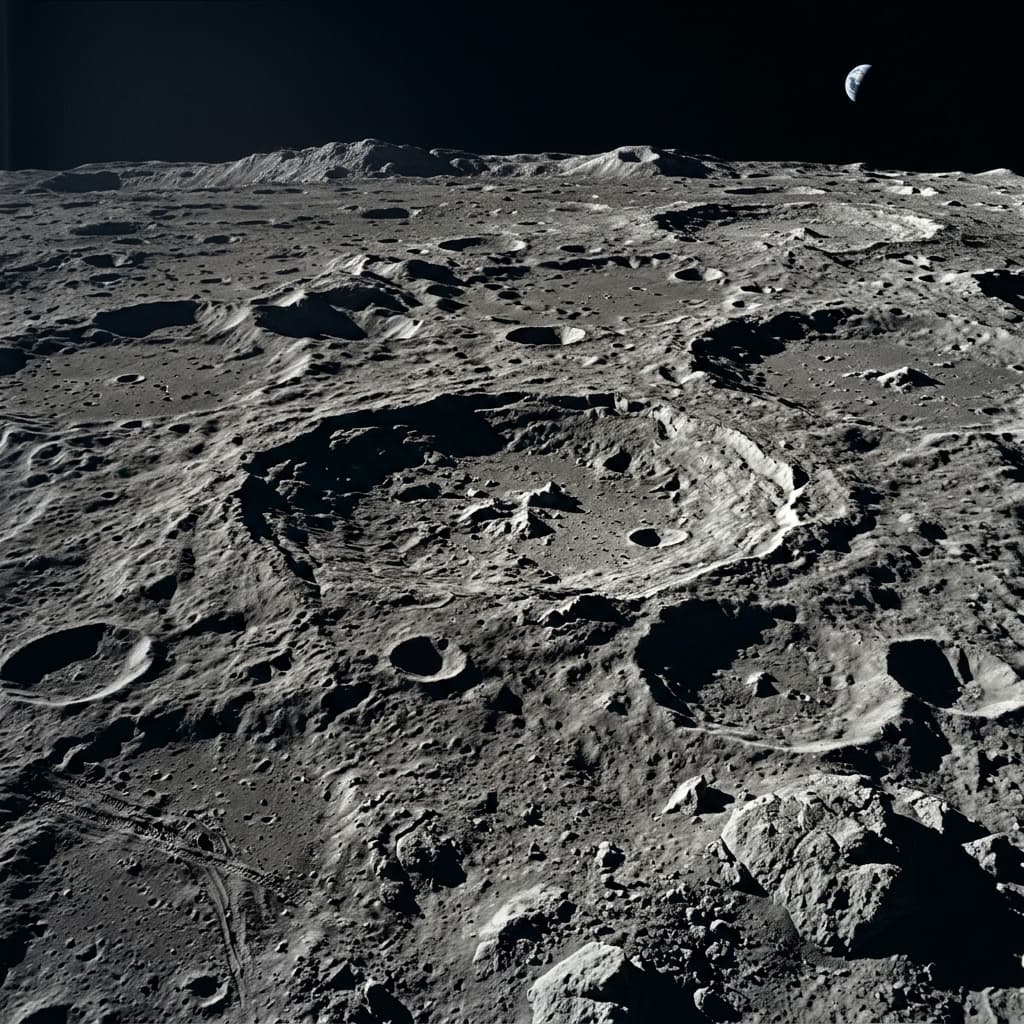
What distinguishes Artemis Finance I from previous civilian space missions is its dual mandate. While passengers will experience the awe of lunar orbital flight — including two full passes behind the far side of the Moon — they will simultaneously participate in the first-ever financial transaction validated from cislunar space. Using Orbit-SpaceX's proprietary Starlink-bridged communication array, the crew will execute and verify blockchain transactions in real-time, demonstrating the viability of space-based financial infrastructure.
"This isn't just a joyride," said Commander Elena Vasquez, the mission's designated pilot and a former NASA astronaut. "Every orbit we complete is a proof-of-concept for the financial systems that will power the space economy for decades to come. We're proving that markets don't need to be bound by geography — or even by planet."
The technical architecture behind the mission is equally impressive. Orbit-SpaceX has deployed a dedicated constellation of 48 Starlink satellites in a custom lunar relay configuration, ensuring near-continuous communication between the Horizon-Class vehicle and ground stations. This network will support sub-second transaction confirmation times — a critical requirement for institutional-grade financial operations.
The financial implications of a successful mission are staggering. Analysts at Morgan Stanley estimate that space-based financial services could represent a $2.7 trillion market by 2040, with early movers like Orbit-SpaceX positioned to capture a significant share. The Artemis Finance I mission serves as both a technological demonstration and a marketing masterstroke, broadcasting live feeds of the lunar surface while simultaneously processing trades on the Orbital Exchange.
Safety preparations have been exhaustive. The crew has undergone over 1,200 hours of combined training, including emergency decompression protocols, manual navigation backup procedures, and extensive fitness regimens designed to prepare their bodies for the physical stresses of deep-space travel. The Horizon-Class vehicle itself has completed 14 unmanned test flights, with its life support systems rated for missions up to 21 days.
Tickets for subsequent Artemis Finance missions are already available for pre-booking, with prices starting at $55 million per seat. Despite the astronomical cost, Orbit-SpaceX reports that the waiting list currently exceeds 200 confirmed reservations, representing over $11 billion in forward revenue.
As the space tourism industry matures, Artemis Finance I represents a pivotal moment — the convergence of exploration, commerce, and human ambition into a single, unified mission. For the eight individuals aboard, the journey will be life-changing. For humanity, it may be civilization-changing.